

In the world of digital marketing, many entrepreneurs assume that poor results are caused by insufficient traffic, weak platforms, or a lack of technical sophistication. However, in practice, most funnels fail not because people do not see them, but because the message does not resonate with the right audience. Hook, Story, Offer is a structured messaging framework designed to solve this exact problem by aligning attention, belief and action in a natural sequence.
Rather than relying on pressure, gimmicks, or exaggerated promises, this framework focuses on clarity, relevance and trust. When applied correctly, it helps you communicate value in a way that feels human, logical and ethical. As a result, your funnels become easier to understand and more effective without requiring more traffic or complexity. This article explores the framework in depth and explains why messaging is the foundation of conversion.

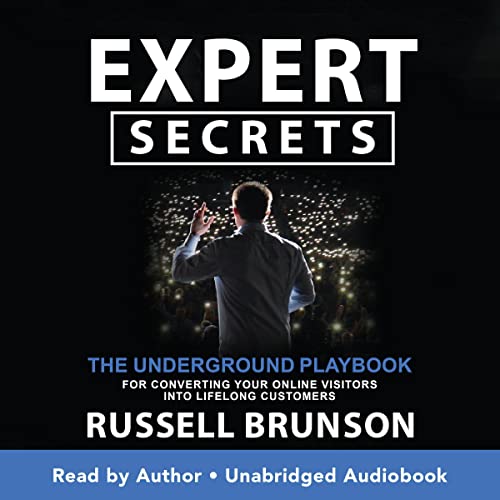
Learn the powerful Hook, Story, Offer framework from Russell Brunson—included as a bonus. Get the Expert Secrets book and start applying it today
Why Most Funnels Fail Due to Messaging Rather Than Traffic
Many funnels receive visitors consistently yet fail to produce meaningful engagement or conversions, which often leads people to chase new traffic sources. In reality, traffic only amplifies what already exists, meaning weak messaging simply reaches more people who still do not connect with the offer. When your message is unclear, generic, or misaligned with the audience’s real problems, visitors disengage quickly regardless of how they arrived. For example, a coach may attract website visitors through social media but lose them because the messaging focuses on credentials instead of outcomes the client actually wants.
Similarly, a course creator may generate steady ad traffic, yet struggle to convert because the funnel explains features rather than transformation. An online service provider might also find that enquiries are low because the messaging sounds like everyone else in the market. In each case, the problem is not visibility, but relevance and clarity.

Digital products are the ultimate leverage. Learn how to create, market, and sell them on autopilot during this FREE 30-day challenge focusing on your first winning funnel. [Join the FREE challenge.]
What a Hook Really Is and How It Earns Attention Ethically
A hook is often misunderstood as a flashy headline or dramatic claim designed to stop scrolling at any cost. In reality, an effective hook earns attention by clearly signalling relevance to a specific audience and situation. It works because it mirrors a problem, belief, or desire that the reader already recognises, rather than introducing something artificial. For instance, a consultant might open with a question that reflects a common frustration their ideal client experiences during business growth.
A course creator could begin with a statement that reframes a widely held misconception their audience has about learning online. An online service provider may use a hook that highlights a familiar inefficiency clients accept as normal. In each example, the hook works ethically because it is honest, precise and grounded in the audience’s reality. As a result, attention is given willingly rather than taken forcefully.
How Storytelling Builds Belief and Emotional Alignment
Once attention is earned, storytelling becomes the mechanism that builds belief and emotional connection. Stories allow people to see themselves within a journey rather than being told what to think or do. Effective storytelling in funnels is not about personal drama, but about illustrating change, contrast and understanding. For example, a coach might share a story that shows the shift from confusion to clarity that their clients commonly experience.
A course creator could use a narrative that contrasts traditional learning struggles with a more structured approach that finally made progress possible. An online service provider might tell a client-centred story that demonstrates how small adjustments led to measurable improvement. These stories help the audience internalise the message and reduce resistance. As belief grows naturally, the funnel no longer feels like persuasion, but guidance.

Sell more from every presentation using the proven script from the Perfect Webinar Secret training. [Get the script]
Why Offers Convert Best When They Feel Like the Natural Next Step
An offer performs best when it feels like a logical continuation of the conversation rather than an abrupt sales pitch. When the hook has established relevance and the story has built belief, the offer simply answers the question of what to do next. At this stage, conversion feels like progress rather than pressure.
For instance, a consultant may present an offer as a structured way to apply the ideas already discussed. A course creator might position their Program as the environment where the audience can implement what now makes sense conceptually. An online service provider could frame their offer as support that removes remaining obstacles identified earlier in the funnel. Because the audience already understands the value, the offer feels timely and appropriate. This alignment significantly increases conversion without manipulation.
Get your copy of Traffic Secrets
| Offer | Type | Best For | Key Benefit | Investment |
| One Funnel Away Challenge | Free Training | Beginners, Coaches, E-commerce Sellers | Build and launch your first sales funnel with step-by-step guidance | Free |
| Sales Funnels Webinar | Free Webinar | Entrepreneurs & Small Business Owners | Learn the sales funnel strategies used by successful online businesses | Free |
| Five Day Lead Challenge | Free Challenge | Service Providers & Marketers | Generate more leads and build your email list faster | Free |
| AI Webinar Funnel Builder | Free Training + Tool | Coaches, Consultants & Experts | Create a webinar funnel using Artificial Intelligence in minutes | Free |
| The Last Secret | Free Training | Agencies & Entrepreneurs | Learn how to launch a Software-as-a-Service business model | Free |
| ClickFunnels Free Trial | Free Software Trial | Funnel Builders & Businesses | Build funnels, websites and automations risk-free | Free Trial |
| DotCom Secrets | Free Plus Shipping Book | Entrepreneurs & Beginners | Learn the foundations of online sales funnels and customer value ladders | Free + Shipping |
| Expert Secrets | Free Plus Shipping Book | Coaches, Trainers & Consultants | Turn your expertise into a profitable business | Free + Shipping |
| Traffic Secrets | Free Plus Shipping Book | Marketers & Business Owners | Learn sustainable traffic generation strategies | Free + Shipping |
| Secrets of Success Book Box | Free Plus Shipping | Personal Development Enthusiasts | Build success habits and entrepreneurial thinking | Free + Shipping |
| Perfect Webinar Secrets | Low-Ticket Training | Course Creators & Speakers | Use a proven webinar framework to increase conversions | $7 |
| PLR Funnels Masterclass | Training + Funnel Package | Beginners & Side Hustlers | Launch ready-made funnels without creating products from scratch | Paid |
| Course Secrets | Premium Course | Coaches & Experts | Create and sell online courses at scale, Want to know the secret to launching your offer fast? Curious about the fastest way to start generating revenue? Need help carving the perfect offer? | Free Webinar |
| Funnel Hacking Secrets Webinar | Free Webinar + Upsell | Agencies & Marketers | Learn how successful funnels are structured and optimised | Free Webclass |
| Funnel Hacking Secrets Bundle | Premium Programme | Serious Entrepreneurs | Funnel software, training and traffic strategies in one package | Premium $1,970 |
| Funnel Builder Secrets | High-Ticket Programme | Business Owners Ready to Scale | Software, training, templates and advanced funnel resources | High Ticket |
| ClickFunnels 3 months Discount Offer | Software Offer | Business Owners | Save on professional funnel software while building your business | Discounted |
| ClickFunnels Scale Plan | Premium Software | Growing Businesses | Advanced funnel building, automation and scaling tools | Monthly Subscription |
Applying Hook, Story, Offer Across Different Business Models
The strength of the Hook, Story, Offer framework lies in its adaptability across industries and business models.
- Coaches and consultants can use it to articulate intangible value in a way that feels tangible and grounded.
- Course creators benefit by structuring messaging that moves learners from curiosity to commitment without overwhelming them.
- Online service providers can differentiate themselves in crowded markets by clearly communicating why their approach fits a specific client need.
In all cases, the framework simplifies decision-making for both the marketer and the audience. It replaces guesswork with structure and replaces pressure with clarity. Over time, this consistency builds trust and long-term engagement rather than one-off transactions.

Don’t just get the book—unlock powerful bonuses that accelerate your success with Russell Brunson. Claim everything here:
Conclusion: Where This Training Fits Within a Bigger System
Hook, Story, Offer is more than a copywriting formula; it is a communication discipline that brings coherence to funnels, content and offers. When used consistently, it transforms how you speak to your audience and how they respond to your message.
This training is included as part of the broader Expert Secrets ecosystem, where it is taught as a foundational framework for ethical influence and online communication. If you want to explore how this messaging approach fits into a complete system for building trust, authority and alignment, you can learn more by visiting the Expert Secrets home page.

Why reinvent the wheel? Learn how to “hack” the frameworks of million-dollar businesses and apply them to your own brand. Start your funnel hacking journey.
Affiliate Disclosure: This article contains affiliate links. I may earn a commission if you make a purchase through them – at no additional cost to you.


