The Top Essential Pages Every Website Must Have (Purpose and How to Create Them)


Every successful website, regardless of industry or size, is built around a clear and intentional page structure. Although many beginners focus heavily on design and visuals, the reality is that the pages you include on your website determine how users perceive your credibility, how search engines understand your content, and how effectively your site converts visitors into customers or followers. Accordingly, understanding the essential pages of a website is a foundational skill for anyone building an online presence.
A well-structured website does not only look professional; it also guides visitors logically, answers their questions, and builds trust over time. Additionally, search engines such as Google evaluate your website structure to determine relevance, authority, and user experience. Therefore, missing or poorly executed core pages can directly harm your rankings, engagement, and conversions.
In this comprehensive guide, I explain the top essential pages every website should have, clearly outlining their purpose and providing practical tips on how to create each one effectively, even if you are a complete beginner.
- 1. Homepage
- 2. About Page
- 3. Services or Products Page
- 4. Contact Page
- 5. Blog or Resources Page
- 6. Privacy Policy Page
- 7. Terms and Conditions Page
- 8. Disclaimer Page
- 9. Affiliate Disclosure Page
- 10. FAQ Page
- Optional Tutorials: Website Design (including webpages)
- Final Thoughts: Building a Complete and Trustworthy Website
1. Homepage
The homepage is the most important page on your website because it acts as the main entry point for most visitors. In many cases, it is also the first impression people have of your brand, business, or personal identity. Accordingly, a weak homepage often leads to high bounce rates and lost opportunities.
The primary purpose of the homepage is to clearly explain who you are, what you offer, and why visitors should trust you, all within a few seconds. Additionally, it should guide users to other important pages such as services, blog posts, or contact information. Although it should not contain every detail, it must provide a strong overview of your website’s value.
When creating your homepage, focus on clarity rather than complexity. Start with a strong headline that explains the main benefit you offer. Follow this with a short supporting paragraph, clear calls to action, and links to key sections of your site. For example, a business website homepage may highlight services, testimonials, and a contact button, while a blog homepage may prioritise featured articles and categories.

You rely entirely on your own conscious effort to solve complex business bottlenecks, leaving you exhausted and frequently out of viable ideas. Imagine tapping into the Universal Mind, commanding your subconscious to deliver brilliant, fully-formed strategies that outsmart your fiercest competitors. Unlock the hidden genius within your own brain. Apply the esoteric growth strategies taught in Secrets of Success.
2. About Page
The About page is one of the most visited pages on any website, yet it is often misunderstood or neglected. Although many people treat it as a biography, its real purpose is to build trust, credibility, and human connection. Visitors use the About page to decide whether they feel confident engaging with you or your brand.
An effective About page explains your story, your mission, and your values in a way that resonates with your target audience. Additionally, it should clarify who you serve and why you are qualified to help them. In contrast to marketing pages, the About page should feel authentic rather than sales-driven.
When creating an About page, begin by explaining who you are and what problem you aim to solve. Then, share your background, experience, or journey in a relatable way. Include trust signals such as years of experience, achievements, certifications, or social proof. Finally, guide the reader to the next step, such as contacting you or exploring your services.
3. Services or Products Page
The services or products page is where visitors evaluate whether your offering meets their needs. Therefore, this page plays a direct role in conversions, sales, and enquiries. A poorly structured services page can confuse users, even if your offering is excellent.
The purpose of this page is to clearly explain what you offer, who it is for, how it works, and what value it provides. Additionally, it should address common questions or objections visitors may have before making a decision. Although pricing may or may not be included, transparency is always beneficial.
When creating a services or products page, organise your offerings into clear sections. Use simple language to explain each service, focusing on benefits rather than technical features. For example, instead of listing tools you use, explain how your service saves time, reduces costs, or improves results. Including testimonials, case studies, or examples can significantly increase trust.
4. Contact Page
The contact page is essential because it provides visitors with a clear and reliable way to reach you. Although it may seem simple, many websites lose potential leads due to poorly designed or hidden contact pages. Therefore, accessibility and clarity are critical.
The main purpose of the contact page is to make communication easy and frictionless. It reassures visitors that you are legitimate, approachable, and responsive. Additionally, search engines view contact information as a trust signal, particularly for business websites.
When creating a contact page, include a contact form, email address, and, where relevant, a phone number or physical address. Clearly explain how and when visitors can expect a response. For businesses, adding a Google Map, office hours, or support categories can further improve user experience and credibility.
5. Blog or Resources Page
A blog or resources page is essential for education, SEO, and long-term traffic growth. Although not every website is content-driven, having a blog significantly increases your ability to rank for search queries and demonstrate expertise.
The purpose of a blog page is to provide valuable, informative, and relevant content that answers your audience’s questions. Additionally, it positions you as an authority in your field and supports other pages through internal linking. Over time, blogs become one of the strongest sources of organic traffic.
When creating a blog page, organise posts by categories and ensure easy navigation. Focus on evergreen topics that remain relevant over time. For example, a business website might publish guides, tutorials, and case studies, while a personal brand may focus on insights, experiences, and educational content. Consistency matters more than frequency, so create a realistic publishing schedule.
Get your copy of DotCom Secrets here
| Offer | Type | Best For | Key Benefit | Investment |
| One Funnel Away Challenge | Free Training | Beginners, Coaches, E-commerce Sellers | Build and launch your first sales funnel with step-by-step guidance | Free |
| Sales Funnels Webinar | Free Webinar | Entrepreneurs & Small Business Owners | Learn the sales funnel strategies used by successful online businesses | Free |
| Five Day Lead Challenge | Free Challenge | Service Providers & Marketers | Generate more leads and build your email list faster | Free |
| AI Webinar Funnel Builder | Free Training + Tool | Coaches, Consultants & Experts | Create a webinar funnel using Artificial Intelligence in minutes | Free |
| The Last Secret | Free Training | Agencies & Entrepreneurs | Learn how to launch a Software-as-a-Service business model | Free |
| ClickFunnels Free Trial | Free Software Trial | Funnel Builders & Businesses | Build funnels, websites and automations risk-free | Free Trial |
| DotCom Secrets | Free Plus Shipping Book | Entrepreneurs & Beginners | Learn the foundations of online sales funnels and customer value ladders | Free + Shipping |
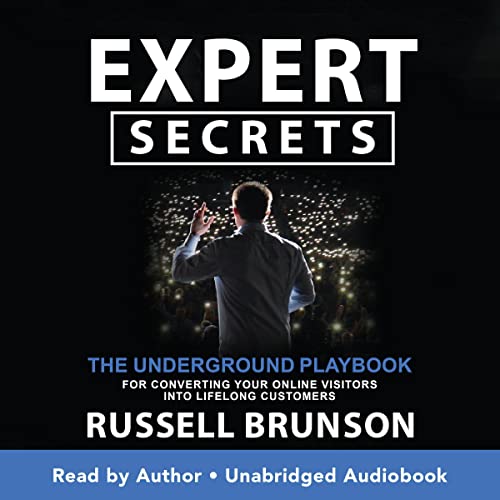
| Expert Secrets | Free Plus Shipping Book | Coaches, Trainers & Consultants | Turn your expertise into a profitable business | Free + Shipping |
| Traffic Secrets | Free Plus Shipping Book | Marketers & Business Owners | Learn sustainable traffic generation strategies | Free + Shipping |
| Secrets of Success Book Box | Free Plus Shipping | Personal Development Enthusiasts | Build success habits and entrepreneurial thinking | Free + Shipping |
| Perfect Webinar Secrets | Low-Ticket Training | Course Creators & Speakers | Use a proven webinar framework to increase conversions | $7 |
| PLR Funnels Masterclass | Training + Funnel Package | Beginners & Side Hustlers | Launch ready-made funnels without creating products from scratch | Paid |
| Course Secrets | Premium Course | Coaches & Experts | Create and sell online courses at scale, Want to know the secret to launching your offer fast? Curious about the fastest way to start generating revenue? Need help carving the perfect offer? | Free Webinar |
| Funnel Hacking Secrets Webinar | Free Webinar + Upsell | Agencies & Marketers | Learn how successful funnels are structured and optimised | Free Webclass |
| Funnel Hacking Secrets Bundle | Premium Programme | Serious Entrepreneurs | Funnel software, training and traffic strategies in one package | Premium $1,970 |
| Funnel Builder Secrets | High-Ticket Programme | Business Owners Ready to Scale | Software, training, templates and advanced funnel resources | High Ticket |
| ClickFunnels 3 months Discount Offer | Software Offer | Business Owners | Save on professional funnel software while building your business | Discounted |
| ClickFunnels Scale Plan | Premium Software | Growing Businesses | Advanced funnel building, automation and scaling tools | Monthly Subscription |

6. Privacy Policy Page
The Privacy Policy page is legally required in many regions and essential for transparency. Although it is often overlooked, it plays a crucial role in protecting both you and your visitors. Additionally, platforms such as Google, advertising networks, and email marketing services often require it.
The purpose of the Privacy Policy is to explain how you collect, use, store, and protect user data. This includes cookies, analytics, contact forms, and email subscriptions. Failing to include a proper privacy policy can result in legal risks and reduced trust.
When creating a Privacy Policy page, clearly state what data you collect and why. Explain how users can manage or request deletion of their data. If you use third-party tools such as analytics or advertising platforms, disclose them transparently. Using a trusted privacy policy generator can help ensure compliance.
7. Terms and Conditions Page
The Terms and Conditions page defines the rules governing the use of your website. Although it may seem purely legal, it also protects your content, services, and intellectual property.
The purpose of this page is to limit liability, clarify responsibilities, and set expectations for users. It is particularly important for business websites, e-commerce stores, and platforms offering services or digital products.
When creating Terms and Conditions, outline acceptable use, payment terms, disclaimers, and limitations of liability. Explain how disputes are handled and which laws apply. While templates can be helpful, it is advisable to adapt them to your specific business model.
8. Disclaimer Page
A disclaimer page is essential for websites that provide advice, information, or educational content. This includes blogs, affiliate websites, financial content, health-related platforms, and training resources.
The purpose of a disclaimer is to clarify that your content is for informational purposes only and does not constitute professional advice. Additionally, it protects you from liability if users act on your content without proper consultation.
When creating a disclaimer, clearly state the limits of responsibility and encourage users to seek professional advice where appropriate. For affiliate websites, this page often works alongside an affiliate disclosure to maintain transparency.
9. Affiliate Disclosure Page
If your website earns income through affiliate links, an affiliate disclosure page is both legally and ethically required in many jurisdictions. Transparency is critical for trust and compliance.
The purpose of this page is to inform users that you may earn a commission when they click certain links, without additional cost to them. This honesty strengthens credibility rather than harming it.
When creating an affiliate disclosure, use clear and simple language. Place a short disclosure near affiliate links and link to a full disclosure page for detailed information. Avoid vague wording and ensure the disclosure is easy to find.
10. FAQ Page
A Frequently Asked Questions page improves user experience by addressing common concerns in one place. Additionally, it reduces support requests and improves SEO when optimised properly.
The purpose of an FAQ page is to answer recurring questions, remove objections, and guide decision-making. Search engines often display FAQ content as featured snippets, increasing visibility.
When creating an FAQ page, base questions on real user queries. Use clear headings and concise answers. For example, a hosting website might answer questions about pricing, migration, or support, while a service website may address timelines and processes.
Optional Tutorials: Website Design (including webpages)
WordPress Tutorial – WebPages Included

Struggling to grow your blog due to unreliable hosting and downtime, imagine publishing content smoothly on a stable and fast platform, Hostinger Managed WordPress Hosting ensures consistent performance for bloggers.
No Code Ai WebPage Design

Launching a website or web application took too long, causing missed opportunities and slow growth. Imagine launching both your website and web application quickly and staying ahead of competitors. Hostinger Horizons AI enables rapid deployment of AI websites and web apps for faster market entry.
Custom Domain Business Email Setup

I struggled to access my business emails consistently across different devices and locations. Imagine checking and responding to emails anytime, anywhere, on any device without disruption. Hostinger Business Email keeps me connected with seamless multi-device accessibility.
eMail Marketing Setup for Websites

I struggled to stay connected with customers consistently after they signed up or showed interest. Imagine automatically engaging customers at every stage of their journey without manual effort. Hostinger Reach for Email Marketing automates customer engagement to build stronger relationships.
Ready to learn the secrets behind successful email marketing? Join this free webinar and learn directly from a successful email marketing genius who reveals the strategies used to build powerful email lists and turn subscribers into valuable business opportunities.
Final Thoughts: Building a Complete and Trustworthy Website
A successful website is not defined by design alone but by the completeness, clarity, and purpose of its pages. Each essential page plays a specific role in guiding users, building trust, and supporting search engine visibility. Therefore, omitting or neglecting these pages can significantly limit your website’s potential.
If you are building your website on a reliable platform such as WordPress with a performance-focused hosting provider like Hostinger, creating and managing these pages becomes straightforward and scalable. As a result, you can focus on quality content and long-term growth rather than technical barriers.
Ultimately, a well-structured website with the right essential pages is not just an online presence-it is a strategic digital asset that works for you around the clock.

Many funnels and campaigns fail to convert traffic into customers. Imagine improving conversion rates with proven optimisation strategies. Challenge Secrets Masterclass teaches conversion optimisation methods.
Learn More About Sales FunnelsAffiliate Disclosure – Some links on this page are affiliate links. If you click and make a purchase, I may receive a commission at no additional cost to you..


